
Effective HVAC Problem Solving: Troubleshooting Tips for Homeowners

When your heating, ventilation, and air conditioning (HVAC) system acts up, it can quickly disrupt your comfort at home. Understanding some basic HVAC problem solving techniques can save you time, money, and stress. This guide offers practical advice to help you identify and fix common HVAC issues before calling a professional.
Understanding HVAC Problem Solving Basics
HVAC systems are complex, but many common problems have straightforward causes. Knowing how your system works and what to check first can make troubleshooting easier. Start by familiarizing yourself with the main components: the thermostat, air filters, blower motor, compressor, and ductwork.
Key points to remember:
Regular maintenance prevents many issues.
Simple fixes like changing filters or resetting breakers often solve problems.
Safety first: always turn off power before inspecting or repairing.
By approaching HVAC problem solving methodically, you can pinpoint issues faster and decide if professional help is needed.
Common HVAC Problems and How to Address Them
Many HVAC problems are common across different systems. Here are some typical issues and practical solutions:
1. HVAC Not Turning On
If your system won’t start, check the thermostat settings first. Make sure it’s set to the correct mode (heat or cool) and the temperature is set appropriately. Next, inspect the circuit breaker or fuse box for tripped breakers or blown fuses.
Action steps:
Reset the breaker if tripped.
Replace dead batteries in the thermostat.
Ensure the power switch near the unit is on.
2. Poor Airflow or Weak Cooling/Heating
Restricted airflow can cause uneven temperatures and strain the system. Dirty or clogged air filters are often the culprit.
Action steps:
Replace or clean air filters every 1-3 months.
Check vents and registers for blockages.
Inspect ductwork for leaks or damage.
3. Strange Noises or Odors
Unusual sounds like banging, rattling, or squealing may indicate loose parts or motor issues. Musty or burning smells can signal mold growth or electrical problems.
Action steps:
Tighten loose screws or panels.
Clean or replace filters to reduce odors.
Turn off the system and call a professional if electrical smells persist.
4. System Cycles On and Off Frequently
Short cycling wastes energy and wears out components. This can be caused by an oversized system, thermostat issues, or refrigerant problems.
Action steps:
Check thermostat placement (avoid direct sunlight or drafts).
Clean condenser coils.
Schedule a professional inspection for refrigerant levels.
What are the troubleshooting steps in HVAC?
When you face an HVAC issue, following a clear troubleshooting process helps identify the root cause efficiently. Here’s a step-by-step guide:
Check the Power Supply
Ensure the system has power. Look at circuit breakers, fuses, and power switches.
Inspect the Thermostat
Verify settings, batteries, and wiring connections.
Examine Air Filters and Vents
Dirty filters and blocked vents reduce airflow and efficiency.
Look for Visible Damage
Check ductwork, wiring, and outdoor units for obvious issues.
Listen and Smell
Note any unusual noises or odors that can indicate mechanical or electrical problems.
Reset the System
Sometimes, turning the system off and on again can clear minor faults.
Consult the User Manual
Manufacturer guides often include troubleshooting tips specific to your model.
Call a Professional if Needed
For complex issues like refrigerant leaks or electrical faults, expert help is essential.
Following these steps systematically can save you from unnecessary repairs and keep your HVAC system running smoothly.

Preventive Measures to Avoid HVAC Problems
Prevention is the best way to reduce HVAC breakdowns. Here are some tips to keep your system in top shape:
Schedule Regular Maintenance
Have a professional inspect and service your system at least once a year.
Change Air Filters Regularly
Dirty filters reduce efficiency and can cause damage.
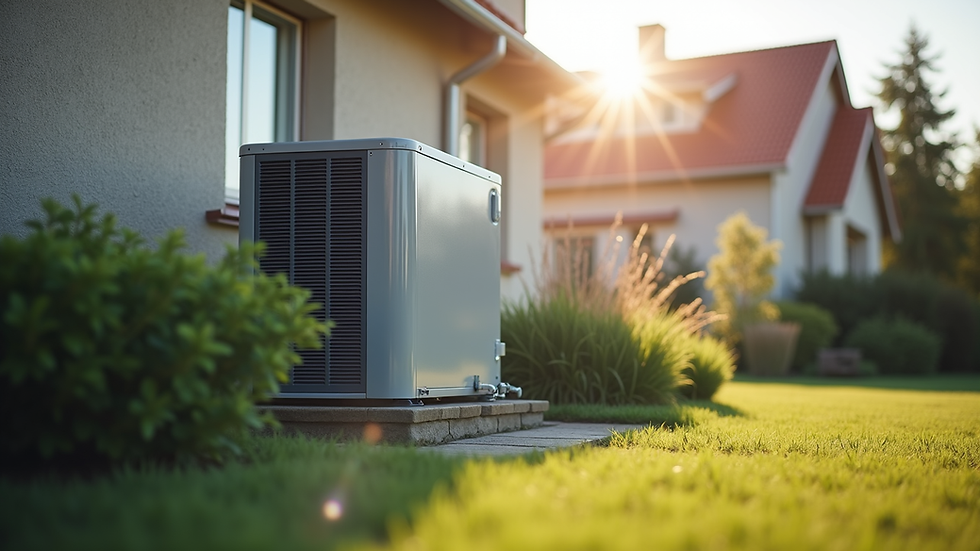
Keep Outdoor Units Clear
Remove debris, leaves, and plants around the condenser unit.
Seal and Insulate Ducts
Proper ductwork improves airflow and energy efficiency.
Monitor Thermostat Settings
Avoid extreme temperature changes that strain the system.
Use a Programmable Thermostat
This helps maintain consistent temperatures and saves energy.
By adopting these habits, you extend the life of your HVAC system and reduce the need for emergency repairs.
When to Call a Professional for HVAC Repairs
While many minor issues can be handled by homeowners, some situations require expert intervention. Contact a licensed HVAC technician if you experience:
Persistent electrical problems or tripped breakers.
Refrigerant leaks or low refrigerant levels.
Strange burning smells or smoke.
Compressor or motor failures.
Complex ductwork repairs.
System not responding to thermostat adjustments.
Attempting to fix these problems without proper training can be dangerous and costly. Professionals have the tools and knowledge to diagnose and repair issues safely and efficiently.
By understanding the basics of HVAC problem solving and following these troubleshooting tips, you can maintain a comfortable home environment year-round. Remember, regular care and timely repairs are key to a reliable HVAC system.
For more detailed guidance on hvac troubleshooting, visit our resource page.


Comments