
Effective HVAC Problem Solving: HVAC Troubleshooting Tips for Homeowners

When your heating, ventilation, and air conditioning (HVAC) system starts acting up, it can quickly disrupt your comfort at home. Understanding how to approach HVAC problem solving can save you time, money, and stress. This guide offers practical tips and clear steps to help homeowners identify and fix common HVAC issues before calling a professional.
Understanding HVAC Problem Solving Basics
HVAC systems are complex, but many common problems have straightforward causes. Before diving into repairs, it’s important to understand the basic components of your system: the thermostat, air filters, blower motor, compressor, and ductwork. Knowing how these parts work together helps you pinpoint where the problem might be.
For example, if your home isn’t cooling properly, the issue could be a dirty air filter restricting airflow or a thermostat set incorrectly. If the system won’t turn on at all, it might be a tripped circuit breaker or a blown fuse.
Key tips for effective HVAC problem solving:
Regular maintenance: Change filters every 1-3 months and schedule annual professional inspections.
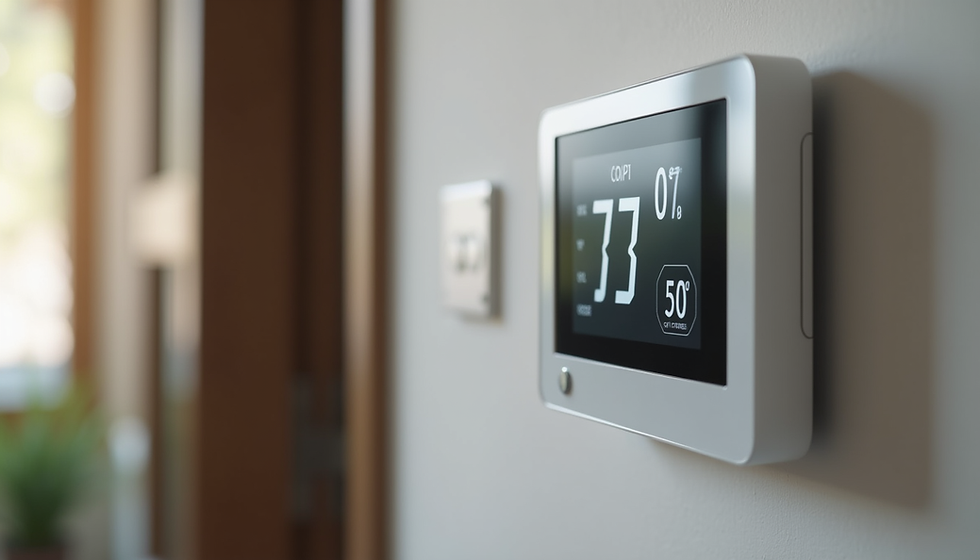
Check the thermostat settings: Ensure it’s set to the correct mode (heat or cool) and temperature.
Inspect air filters: Dirty filters reduce efficiency and can cause system failure.
Listen for unusual noises: Grinding, squealing, or banging sounds often indicate mechanical issues.
By starting with these basics, you can often resolve minor issues yourself or at least gather useful information for a technician.
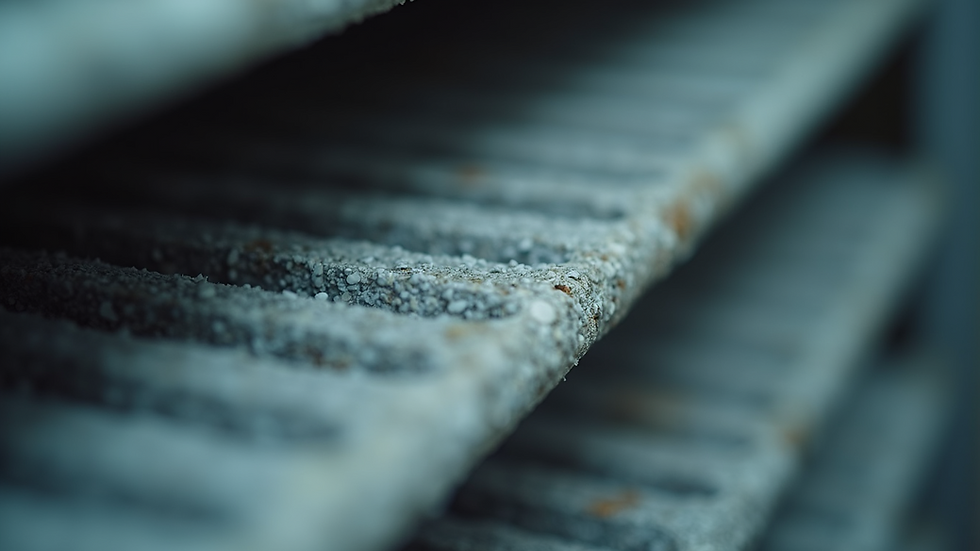
Close-up view of HVAC air filter in a residential unit
How to Approach HVAC Problem Solving Efficiently
When tackling HVAC problems, a systematic approach is essential. Begin by identifying the symptoms and then move through a checklist of potential causes. This method saves time and prevents unnecessary repairs.
Step-by-step approach:
Identify the problem: Is the system not turning on, not cooling or heating properly, or making strange noises?
Check power supply: Verify that the unit is receiving power. Look for tripped breakers or blown fuses.
Inspect the thermostat: Confirm it’s working and has fresh batteries if applicable.
Examine air filters and vents: Clean or replace filters and ensure vents are open and unobstructed.
Look for visible signs of damage: Check for leaks, rust, or disconnected wires.
Test the system: Turn it on and observe its operation, noting any irregularities.
This process helps narrow down the issue and determines whether you can fix it yourself or need professional help.

Eye-level view of HVAC outdoor condenser unit with clear surroundings
What are the troubleshooting steps in HVAC?
Troubleshooting HVAC systems involves a series of logical steps to diagnose and resolve issues. Here’s a detailed breakdown:
Step 1: Verify Power and Thermostat Settings
Ensure the HVAC system is plugged in and the circuit breaker is on.
Check the thermostat mode and temperature settings.
Replace thermostat batteries if needed.
Step 2: Inspect Air Filters and Vents
Remove and examine air filters for dirt and debris.
Replace filters if clogged.
Make sure all vents and registers are open and unobstructed.
Step 3: Examine the Outdoor Unit
Clear debris such as leaves or dirt around the condenser.
Check for visible damage or ice buildup on coils.
Ensure the fan is running smoothly.
Step 4: Listen for Unusual Sounds
Grinding or squealing may indicate motor or belt issues.
Clicking sounds could mean relay or electrical problems.
Step 5: Check for Refrigerant Leaks
Low refrigerant levels reduce cooling efficiency.
Signs include hissing sounds or ice on coils.
Refrigerant handling requires a licensed technician.
Step 6: Inspect Drain Lines and Pans
Clogged drain lines cause water leaks.
Clean drain pans and lines regularly to prevent mold and water damage.
Step 7: Reset the System
Turn off the HVAC system.
Wait a few minutes and turn it back on to reset controls.
Following these steps can resolve many common HVAC problems and help you decide when to call a professional.
Common HVAC Issues and How to Fix Them
Here are some typical HVAC problems homeowners face and practical solutions:
Problem: HVAC Won’t Turn On
Cause: Power outage, tripped breaker, or faulty thermostat.
Fix: Check circuit breakers, replace thermostat batteries, and ensure the system is switched on.
Problem: Poor Airflow
Cause: Dirty air filters, blocked vents, or blower motor issues.
Fix: Replace filters, clear vents, and inspect the blower motor for damage.
Problem: Inconsistent Temperatures
Cause: Thermostat placement, duct leaks, or refrigerant issues.
Fix: Move thermostat away from heat sources, seal duct leaks, and schedule refrigerant checks.
Problem: Strange Noises
Cause: Loose parts, motor problems, or debris in the unit.
Fix: Tighten screws, lubricate motors, and clean the unit.
Problem: Water Leaks
Cause: Clogged drain lines or frozen coils.
Fix: Clear drain lines and check for coil ice buildup.
By addressing these issues promptly, you can maintain comfort and extend your HVAC system’s lifespan.
When to Call a Professional for HVAC Help
While many HVAC problems can be fixed with basic troubleshooting, some situations require expert intervention. Call a licensed HVAC technician if you experience:
Persistent power issues or electrical problems.
Refrigerant leaks or need for refrigerant recharge.
Compressor or motor failures.
Complex ductwork repairs.
System not responding after basic troubleshooting.
Attempting advanced repairs without proper training can be dangerous and may void warranties. Professionals have the tools and knowledge to diagnose and fix problems safely and efficiently.
For more detailed guidance on hvac troubleshooting, visit trusted HVAC resources or consult your system’s manual.
Maintaining Your HVAC System for Long-Term Performance
Preventive maintenance is the best way to avoid costly repairs and keep your HVAC system running smoothly. Here are some easy maintenance tips:
Change air filters regularly: Every 1-3 months depending on usage.
Keep outdoor units clean: Remove debris and trim plants around the condenser.
Schedule annual professional inspections: Early detection of issues saves money.
Monitor thermostat settings: Use programmable thermostats to optimize energy use.
Seal and insulate ducts: Prevent energy loss and improve airflow.
By staying proactive, you ensure your HVAC system delivers reliable comfort year-round.
Mastering HVAC problem solving empowers you to handle common issues confidently. With these practical tips and steps, you can troubleshoot effectively and maintain a comfortable home environment. Remember, when in doubt, professional help is just a call away.


Comments